Address
304 North Cardinal
St. Dorchester Center, MA 02124
Work Hours
Monday to Friday: 7AM - 7PM
Weekend: 10AM - 5PM
Address
304 North Cardinal
St. Dorchester Center, MA 02124
Work Hours
Monday to Friday: 7AM - 7PM
Weekend: 10AM - 5PM

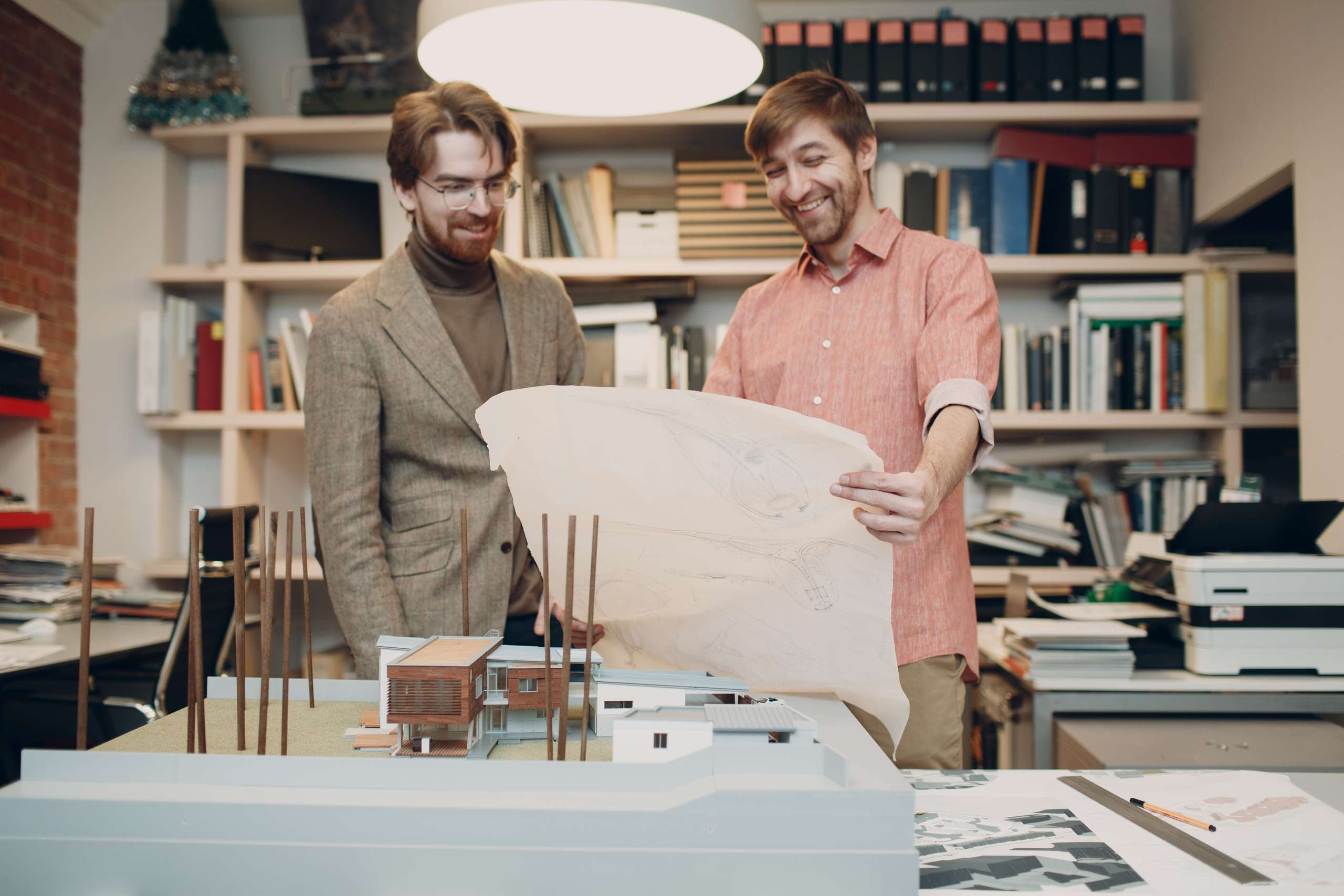
Guiding Movement Just as architecture often seems like a matter of objects, materials, and surfaces, it is also easy to overlook how it organizes our movements through spaces. How we enter, circulate through, stop, and look at or into each architectural setting we encounter is shaped by the spaces we inhabit. Hallways guide us forward, plazas allow us to collect, and stairs and ramps move us from level to level. As students of architecture embark on their architectural education, they must learn to see how movement shapes their experience of space.
Movement through architecture is never random. Architects strive to control how people move through buildings, and how the transitions between spaces influence a user’s experience of them. A compressed entrance passage may heighten the drama of entering a large, expansive interior space, while a sequence of gradually expanding spaces may produce a calming, contemplative effect. These transitions evoke emotional responses as much as they orchestrate our circulations.
By noting how they move through buildings, students can begin to see architecture as the organization of spatial experiences, rather than the composition of objects and solids. Another aspect of movement is visual movement. Just as circulation patterns through spaces are orchestrated by architecture, so too are the movements of our eyes. Buildings subtly guide our eyes through the use of alignments, axes, and frames. A long diagonal vista may lead our eye to a focal point, while a series of receding spaces may invite us to explore a building’s interior.
A window at a strategic angle might frame an exterior view, linking the space we occupy with a broader context. Architecture tells a story as we move through it, and through our movements reveals new and interesting things to us. Light can also structure our experience of movement through buildings. As natural light changes throughout the day, it accentuates different aspects of buildings, and highlights paths through them. Bright areas may draw our attention, while areas in shadow produce contrast and rhythmic interest in the interior of a building.
By watching how light hits the forms and spaces of architecture, students can learn to see that our movement through buildings is not just physical, but also visual and atmospheric. Light is a tool that can enhance our orientation and heighten our experience of space. Learning to see how architecture guides our movements encourages us to pay more attention to the hallways, stairways, courtyards, and public squares we encounter every day. Each contains deliberate design decisions that influence how we experience those spaces, and the functions we carry out in them.
As students hone their observation skills, they learn to better interpret these spaces, and recognize how they facilitate both function and appreciation. As a result, their understanding of what it means to think like an architect expands beyond a focus on structures, to encompass the creation of spaces that seem natural, expressive, and meaningful.