Address
304 North Cardinal
St. Dorchester Center, MA 02124
Work Hours
Monday to Friday: 7AM - 7PM
Weekend: 10AM - 5PM
Address
304 North Cardinal
St. Dorchester Center, MA 02124
Work Hours
Monday to Friday: 7AM - 7PM
Weekend: 10AM - 5PM

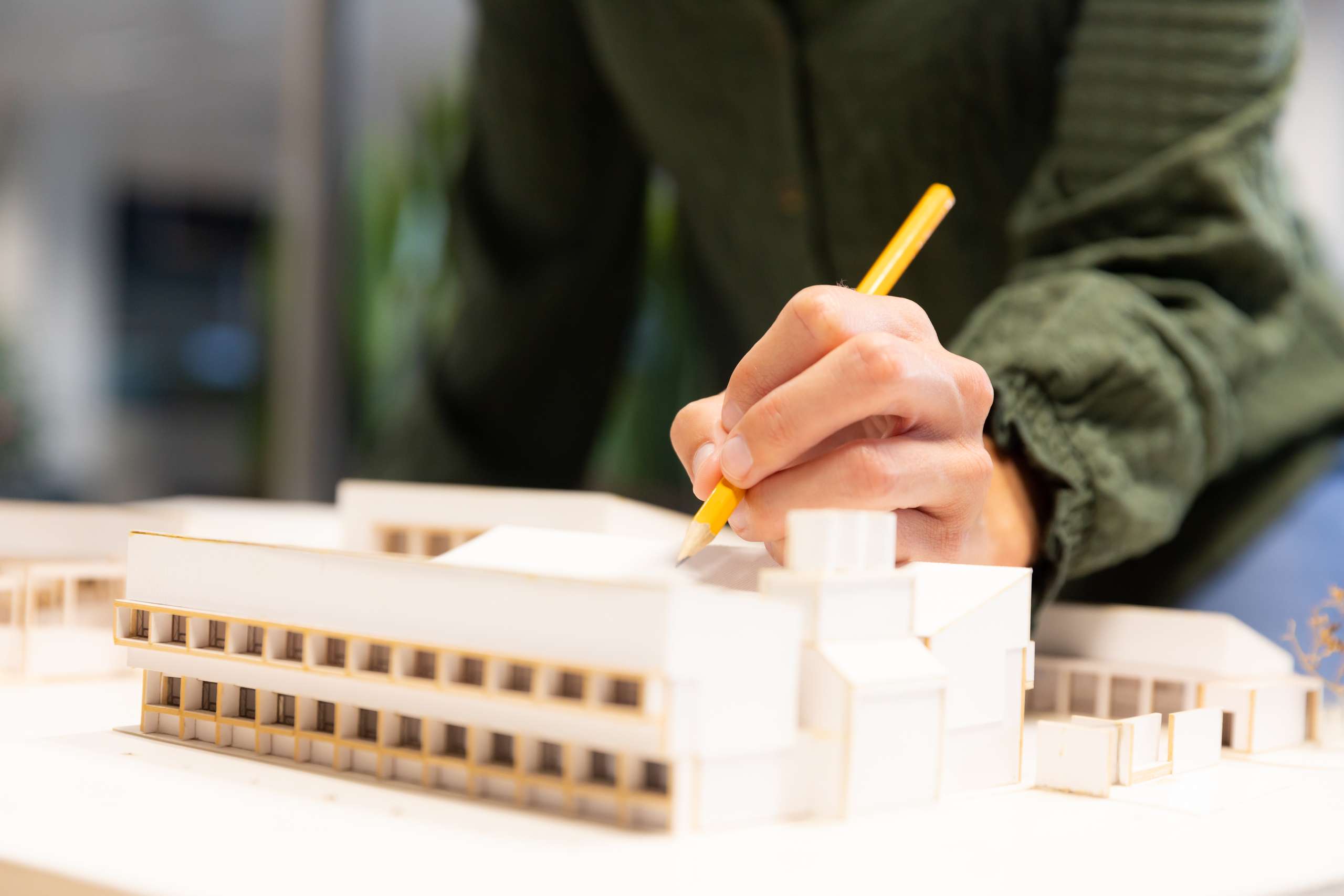
Light and atmosphere; the most intangible materials in architecture. Most times, architecture is discussed in terms of structure, materiality and form. But light is a powerful architectural tool that can change the feel of a space. Depending on its orientation, direction, and intensity, light can dramatically influence the way a building is experienced and perceived. When exploring architectural language, understanding the language of light can help you appreciate the way a building speaks about mood, rhythm and meaning. Here are a few ways you can appreciate the role of light in architecture.
Natural light can bring dynamism to architecture. Throughout the day, as the sun moves across the sky, the light entering the building through windows, skylights, clerestories and any reflective surface, changes. This means that the ambiance of a space changes throughout the day. Perhaps in the morning, a room is experienced as soft and calm, but in the late afternoon dramatic and contrasting. This ability of architecture to change means that it has its own sense of time, its own circadian rhythms. Being aware of these changes can help you understand that architecture is not static, that it can appear to change throughout the day. In architecture, light can be used as a design tool rather than something that needs to be considered as an afterthought.
The location and proportions of windows and skylights are used to control the way light enters a building. A vertical slit in a wall may create a dramatic beam of light that accentuates the texture of a wall. A large skylight above a room may provide a uniform soft light. In these ways, light can be used to reveal texture, accentuate form and lead our attention to specific places within a building. This can help you understand the way architecture can manipulate the way we see and experience space. The way light hits different materials can dramatically change their feel.
Light absorbed by rough stone can make it feel incredibly solid. Light reflected and refracted through glass can make it feel deep. Wood tends to diffuse light and bring warmth, while concrete can create dramatic contrasts between light and dark. As you begin to notice these effects, you may start to feel that architecture is not just about the abstract ideas of structure and form, but about creating specific moods and atmospheres. As you become more aware of light, you may begin to notice it in the spaces you experience every day. You may appreciate the soft light of a shaded courtyard, the light pouring in through the tall windows of a library or the way the shadows of a corridor appear to shift and change as you walk along it.
As you notice these things, you can begin to appreciate that atmosphere is not something accidental. The atmosphere of a space is something that is designed, something that can be achieved by considering the orientation of a building, its windows, materials, and a multitude of other details. As you being to notice these details, you can develop a fuller appreciation of architecture, one that considers not just structure and space, but the atmosphere that is evoked by the interaction of a multitude of architectural elements.